PMAC Field Trip Site 3: Geopolitical Shifts in International Development Assistance and Impact on Migrant Health
 LOCATION : Centara Grand & Bangkok Convention Centre At CentralWorld (Hybrid: VDO & On-Site Discussion)
Overview
Thailand sits at the intersection of major demographic and geopolitical shifts. Ongoing population movement and declining international development assistance have increased pressure on border provinces—particularly Mae Sot District, Tak Province, along the Thai–Myanmar border—to maintain essential health services for migrants, displaced persons, and their dependents.
This hybrid field trip provides participants with a first-hand understanding of how Thailand’s border health system is adapting through a combination of video documentation from the field and live discussion with frontline implementers, civil society organizations, and border health authorities.
Background
Globally, there are 281 million international migrants and 117 million displaced persons (UN, 2022), with Southeast Asia hosting approximately 86 million. Thailand, as a key destination and transit country, plays a central role in regional mobility dynamics. While Thailand has achieved Universal Health Coverage for its citizens through domestic financing, migrants in border areas continue to rely heavily on local hospitals, civil society organizations (CSOs), and humanitarian actors.
In recent years, reductions in international development assistance have intensified pressure on border health facilities and community-based services. This field trip highlights how Thailand is adapting service delivery models, financing approaches, and cross-sector collaboration to protect migrant health despite shrinking external resources.
Key Features You Will Experience
- Hybrid Virtual-to-Dialogue Experience
This field trip begins with a video-led virtual journey to Mae Sot District, Tak Province, along the Thai–Myanmar border—an area shaped by ongoing cross-border tensions, population movement, and geopolitical uncertainty. The video captures real operational challenges and local adaptation strategies within Thailand’s border health system, setting the scene for deeper discussion. - Border Health Under Geopolitical and Aid Shifts
Participants will explore how declining international development assistance, combined with sustained migration flows, is placing new pressures on local health systems.
Through live dialogue with frontline actors, the session examines:- Service continuity amid shrinking external support
- Governance and financing adaptations at the border
- The health system implications of prolonged displacement and mobility
- Civil Society and Community-Led Responses
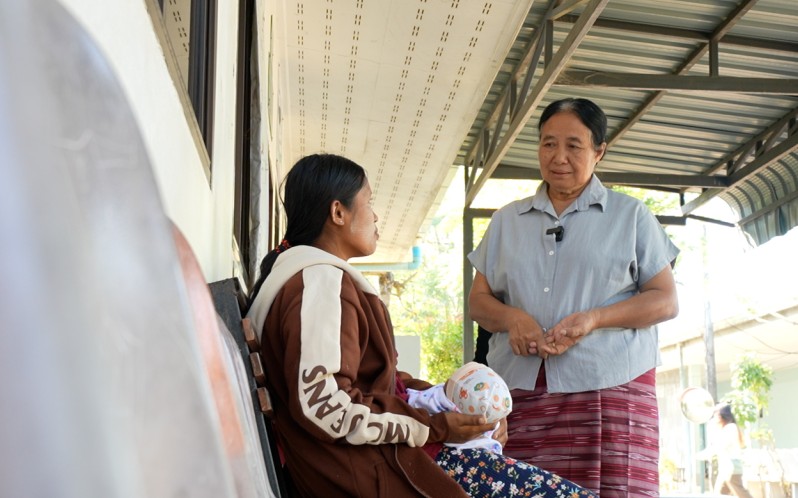
The virtual field trip highlights the critical role of civil society organizations (CSOs) and Migrant Health Volunteers (MHVs) in sustaining access to care—especially for undocumented and uninsured migrants. Participants will learn how community-based mechanisms help bridge service gaps when formal resources are constrained.
Why This Field Trip Matters
This field trip illustrates the real-world impacts of shifting geopolitics and declining international assistance on migrant health. It shows how local health authorities, CSOs, and community partners work together to sustain health services and disease prevention under financial and operational constraints.
Participants will gain insights into:
- The effects of declining international development assistance on migrant health and health equity
- Collaborative service delivery models that help maintain access to care in resource-constrained settings
- Strategies for sustaining progress toward UHC in border and migration contexts
- Lessons from Thailand that can inform other countries facing similar migration and health challenges
Field Trip Objectives
Participants will:
- Examine the impact of declining international development assistance on humanitarian assistance for migrants and displaced persons along the Thai–Myanmar border.
- Understand major health challenges faced by migrants, refugees, and dependents living in border settings.
- Understand Thailand’s adaptive responses, including service delivery, financing strategies, and CSO-led support mechanisms.
- Engage in dialogue on scalable, equity-centered approaches to sustaining migrant health in resource-constrained context
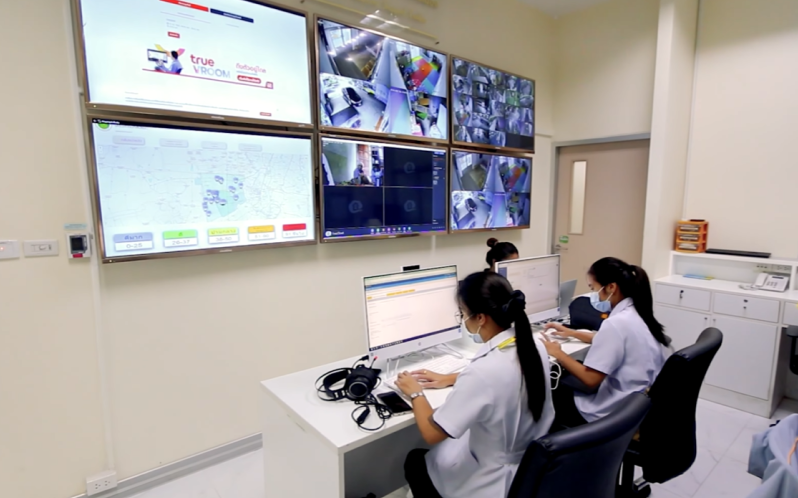
 LOCATION : Ratchaphiphat Hospital and nearby community, Bangkok
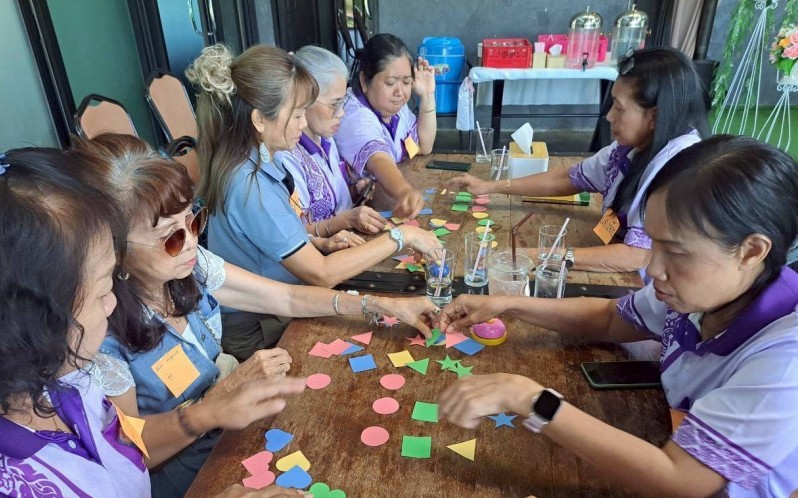 LOCATION : Ladsawai Municipality Medical Center and community area, Pathum Thani Province