Field Trips | 28 January 2026
Global demographics are undergoing profound shifts through aging populations, declining fertility rates, evolving migration patterns, youth bulges, and rapid urbanization, which intersect with widening inequalities, economic vulnerabilities, strained health systems, and climate pressures. High-income countries face aging populations and shrinking workforces, while low- and middle-income countries manage growing youth populations requiring expanded infrastructure and employment. Strategic investments in human capital—including education, vocational training, and lifelong learning—alongside infrastructure supporting intergenerational integration can transform these challenges into opportunities for economic growth and inclusive social progress, as demonstrated by East Asia's demographic dividend in the late 20th century.
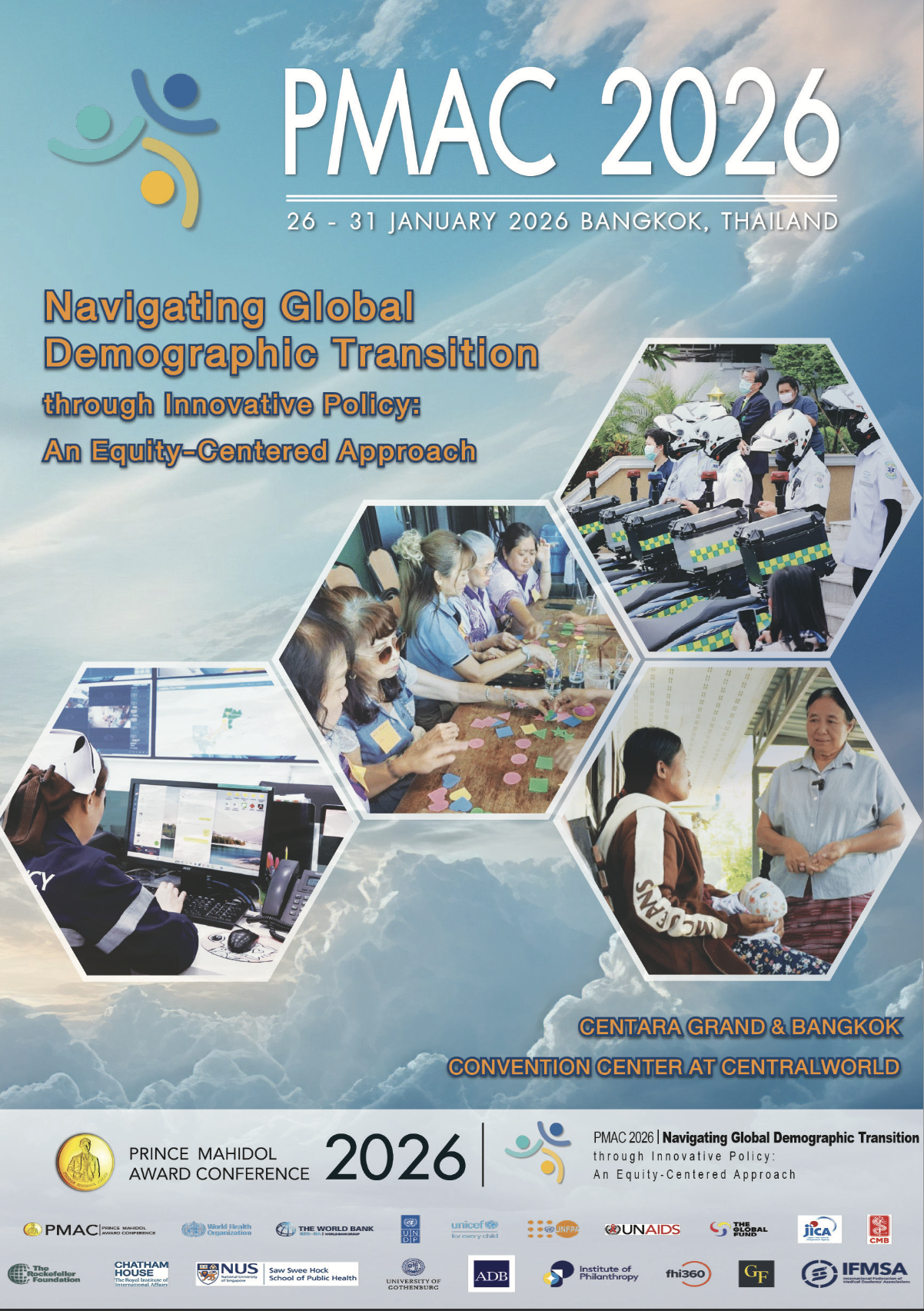
Aging populations in middle- and high-income countries create labor shortages and economic strain as younger workers support older populations amid rising healthcare costs and pension obligations. Healthcare systems must adapt to increasing non-communicable diseases and long-term care needs, while comprehensive strategies addressing housing, urban planning, and community well-being are essential for supporting aging individuals. Countries like Japan and Singapore offer valuable models through technology-assisted elder care and reskilling programs for older workers. The PMAC 2026 conference aims to identify actionable solutions through life course policies that address needs across all age demographics, showcasing evidence-based case studies that inspire policymakers to implement effective strategies for managing demographic transitions globally
PMAC Field Trip Site 1: Adapting Urban Elderly Care – Lessons from the Ratchaphiphat Sandbox Model
 Location : Ratchaphiphat Hospital and nearby community, Bangkok
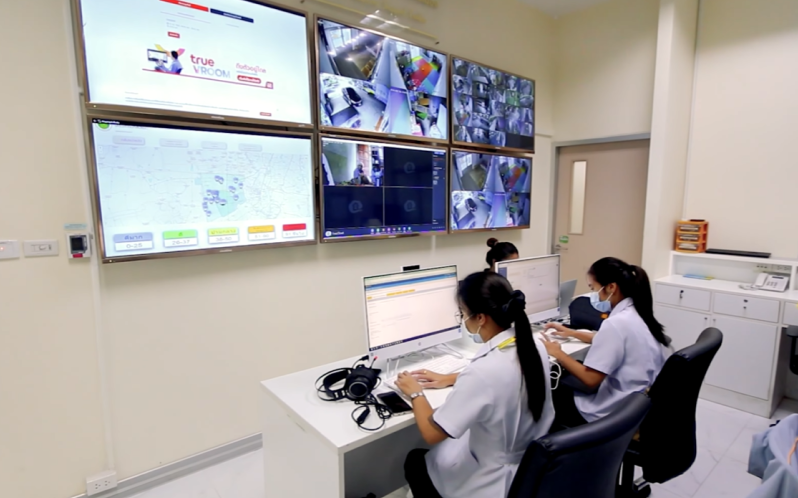
Explore how Bangkok - one of Asia’s fastest-ageing cities - is transforming elderly care. The Ratchaphiphat Sandbox Model, part of the city’s Healthy City for All initiative, integrates telemedicine, home-based services, and strong community partnerships to deliver continuous, person-centered care for older persons.
Participants will see 24/7 teleconsultation platforms, urban home-care innovations such as Commu-lance and Motor-lance units, remote monitoring systems, and collaborative service networks linking hospitals, primary care centers, pharmacies, and community volunteers.
This field trip offers practical insights into designing scalable, technology-enabled urban health systems for ageing populations.
PMAC Field Trip Site 2: Community-Based Long-Term Care in Thailand – Multi-Sectoral Cooperation for Healthy and Dignified Ageing
Location : Ladsawai Municipality Medical Center and community area, Pathum Thani Province
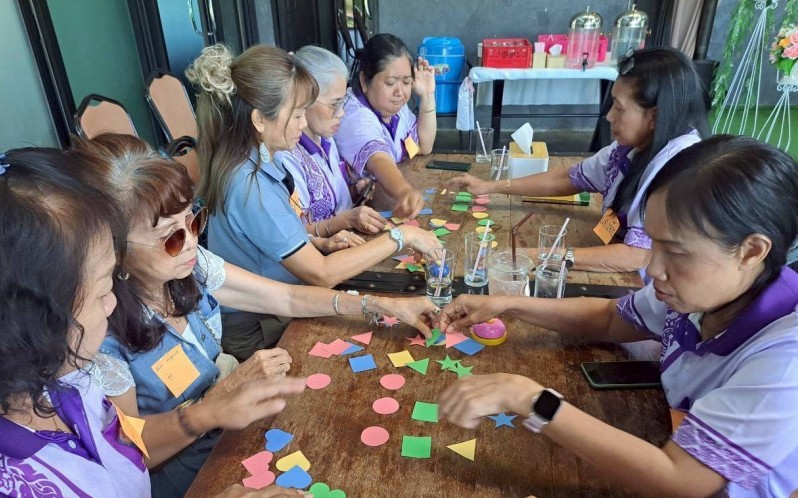
Visit Ladsawai Municipality Medical Center in Pathum Thani to explore Thailand’s community-based long-term care (LTC) model, built on strong cooperation between the National Health Security Office (NHSO) and Local Administrative Organizations (LAOs) for all Thais regardless of their public health insurance schemes. Participants will see how caregivers, care managers, health volunteers, and multidisciplinary teams work together to support older persons through home-based care, rehabilitation, social support, and prevention services.
The field trip offers hands-on learning at both health facility and community levels—including a special opportunity to experience traditional Thai massage delivered by certified practitioners. Discover how Thailand empowers communities to deliver sustainable, dignified care for an ageing population.
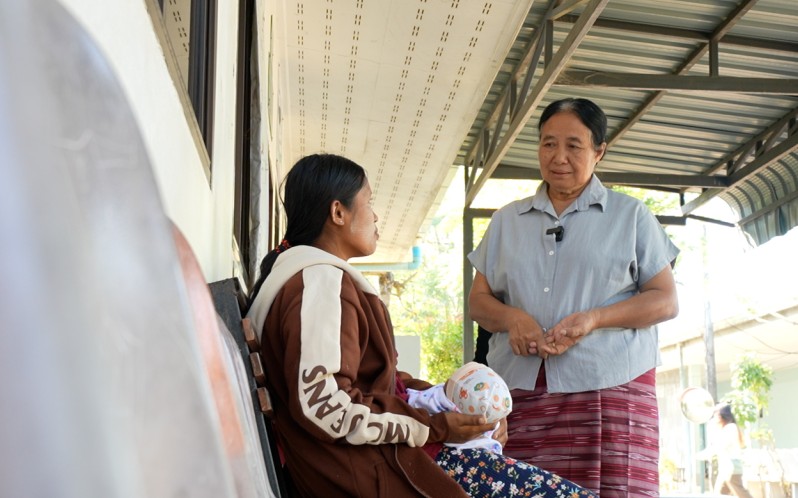
PMAC Field Trip Site 3: Geopolitical Shifts in International Development Assistance and Impact on Migrant Health
Location : Centara Grand & Bangkok Convention Centre At CentralWorld (Hybrid: VDO & On-Site Discussion)
Explore how Thailand is responding to migration, evolving geopolitics, and declining international development assistance in border settings. As a regional hub for migrants and displaced persons, Thailand’s border health system faces rising service demands amid shrinking external support.
Through video storytelling from Mae Sot District, Tak Province, and live dialogue with frontline practitioners, participants will see how local hospitals, civil society organizations, and health authorities work together to sustain essential health services in complex border environments.
This field trip offers practical insights into safeguarding migrant health, strengthening equity, and sustaining progress toward Universal Health Coverage (UHC) amid geopolitical and financial uncertainty.